
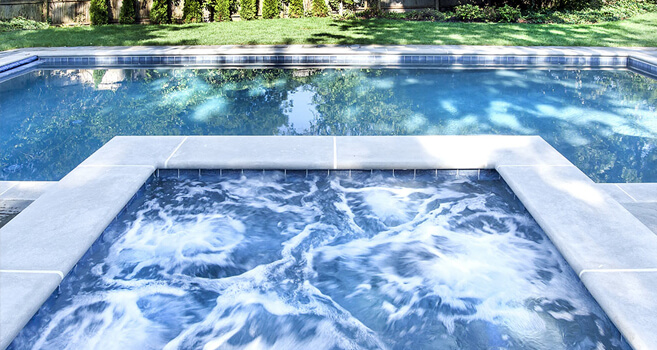
Imagine you’re relaxing in your hot tub — or spa — after a long week at work. The jets and the bubbles are going, your eyes are closed, and the hot water brings the calm and relaxation that you’ve been craving all week long.
After a few minutes of soaking in the spa, you forget your surroundings. You open your eyes for a moment and anticipate to see steam rising all around you, but instead, your eyes land on a massive hairball or a layer of film floating on top of the water.
You jump out of the spa, totally disgusted!
That’s right! While spas are meant to provide an escape from the troubles of the day, they also get dirty, can harvest germs, and require regular care and maintenance. In fact, dirty spa water can actually be quite dangerous and lead to illnesses, such as Giardia, norovirus, or E. coli.
The U.S. Centers for Disease Control and Prevention (CDC) offers a lot of tips to ensure your spa users aren’t hit with what they call a recreational water illness. Here are just a few:
- Before entering the hot tub for a relaxing dip, you should shower or bathe; using soap is also recommended.
- Does your water smell? A well-chlorinated spa has little to no odor. Strong chemical smells can indicate a maintenance problem.
- Avoid swallowing spa water or getting it in your mouth in general.
- Check to make sure the pumps and filtration systems are properly working. Can you hear them running?
- Check the chemical levels in the water regularly.
The CDC’s website is a great place for pool and spa owners to pick up tips on how to maintain safe and sanitary water conditions. For more CDC tips that specifically focus on hot tubs, click here.